
Papworth Tree Warden

David Potter
August 2026
Written in Scotland
I am writing this month’s report whilst on holiday in Scotland. This trip was planned many months ago and, as it happens, we have missed some of the extreme heat and drought endured in the East of England. We have been in Alba since the beginning of August and have travelled the Scottish Highlands from Inverness and around the north and northwest coast - John O’ Groats to Oban. Seeing it’s dramatic landscapes and unique natural environment and learning about the history of the area, all very different from Cambridgeshire. Everywhere here is lush and green and I somehow dread what we will find when we soon return home.
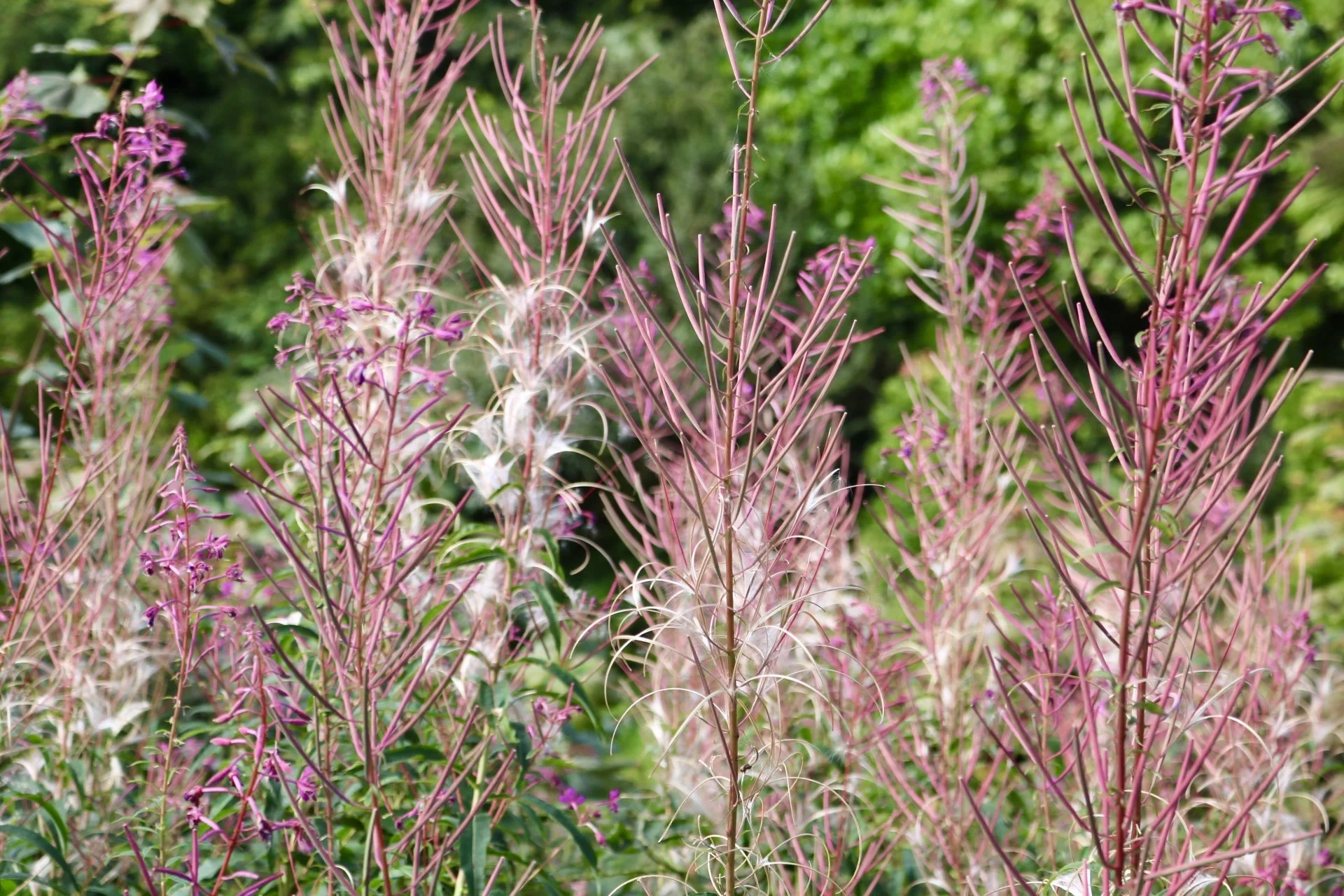
One roadside plant we have in common with the Scottish Highlands is the Rosebay Willowherb (Chamaenerion augustifolium) also known as fireweed. This tall, striking, native perennial wildflower with spikes of bright pink flowers can usually be found in groups on disturbed ground or poor soil, often on roadside verges or alongside hedgerows. Their nectar rich flowers are great for pollinators and many invertebrates feed on the leaves. In summer and autumn, willowherbs produce large amounts of seed with fluffy plumes that aid dispersal. Their seed travels far on the slightest breeze and can quickly colonise areas of bare soil.
Rosebay Willowherb contains active compounds that offer powerful anti-inflammatory, astringent and anti-microbial properties. It is widely used to support prostate health, soothe digestive irritation, and heal minor skin complaints. I read that the plant has ninety times more vitamin A and four times more vitamin C than oranges.
Rosebay willowherb is a powerful symbol in art and poetry. It represents survival, resilience and rebirth because it is the first bright plant to grow over ash and ruined ground after fire and war. In British poetry, willowherb is tied to the bomb sites of the London Blitz where the ruins came ‘alive with a rush of pink. A hundred weeds / Spire skyward, their summits flowers / unbroken, painted magenta.’ (poet Giles Watson). Visionary designers like Charles Rennie Mackintosh captured the plant’s linear, elegant structure in works such as his 1919 watercolour ‘Willow Herb, Buxstead’.
Even the gardens on the west coast of Scotland are experiencing the effects of climate change. Public gardens that once opened from April are now planning to open their gates a month earlier and stay open longer into the autumn. The choice of plants for new planting schemes are being reviewed to cope with higher temperatures and reduced watering.
Without a doubt, the regular heat waves this year and the prospect of more hot weather next year, with predictions of the El Niño climate cycle in the Pacific heating up in 2027, put tremendous stress on farming and woodlands. Warmer oceans can have wide-reaching consequences, including supercharging extreme weather, raising sea levels and harming marine life. High temperatures cause severe tree stress in our woodlands with the early browning and shedding of leaves, increased vulnerability to pests and fungal pathogens and the general disruption of the eco system of the woodland.
As we enjoy the beauty of the countryside around us we must all act responsibly in these dry conditions to ensure we do not put it at risk of any wild fires.